Modern Landscaping Ideas for Eco-Conscious and Water-Efficient Yards
Environmental concerns are shaping the way people approach their outdoor spaces, making sustainability not just a design choice but a responsibility. Homeowners and businesses today are seeking practical ways to balance beauty, function, and ecological responsibility within their landscapes. Adopting sustainability principles, such as using native plants, careful water management, and eco-friendly materials, creates outdoor environments that benefit both people and the planet. For those searching for expert, sustainable solutions in the Dallas-Fort Worth area, working with experienced professionals in landscaping Southlake ensures that your project meets high standards of eco-conscious design.
Sustainable landscaping means choosing practices that work in harmony with local environments. These methods reduce water consumption, support local wildlife, and lower maintenance requirements. By blending ornamental beauty with ecological principles, modern landscapes can simultaneously meet aesthetic goals and help preserve natural resources. Whether through rainwater harvesting, edible gardens, or innovative hardscaping, today’s eco-friendly practices are accessible and effective for any property owner looking to make a positive environmental impact.
Table of Contents
Embracing Native and Drought-Tolerant Plants
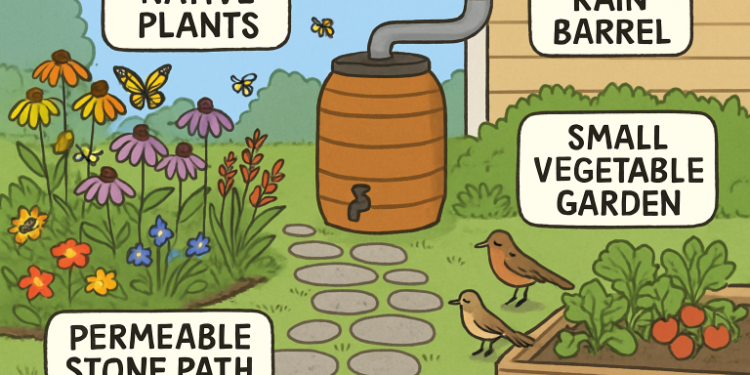
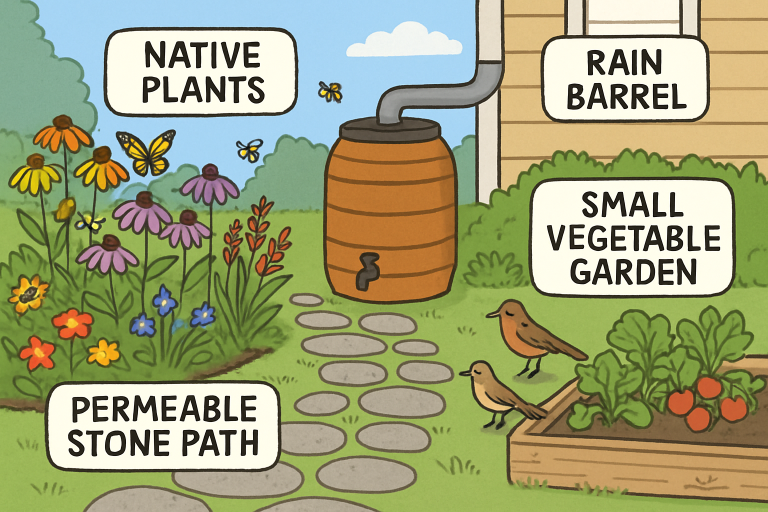
One of the most effective ways to create a sustainable landscape is to incorporate native, drought-tolerant plant species. These plants have adapted to local conditions over centuries, which means they require minimal irrigation, fewer chemical inputs, and little intervention to thrive. In regions like Texas, species such as Texas sage, black-eyed Susan, and buffalo grass offer color and interest while dramatically reducing water demand compared to non-native species. Choosing plants that are already suited to your climate helps protect local ecosystems and supports pollinators, birds, and other wildlife important to regional biodiversity.
Smart Water Management Techniques
Water scarcity and rising costs make efficient water management crucial for modern landscapes. Smart irrigation systems use sensors and weather data to adjust watering schedules, delivering the right amount of moisture only when and where it’s needed. Systems featuring drip irrigation further increase water efficiency by delivering moisture directly to plant roots. Installing rain barrels or larger rainwater harvesting systems captures and reuses seasonal rainfall, reducing strain on potable water supplies and mitigating stormwater runoff. To delve deeper into water-wise gardening, explore the comprehensive resources at EPA WaterSense.
Integrating Edible Plants into Your Landscape
Blurring the lines between ornamental and edible gardening, foodscaping combines visual appeal with productivity. Many edible plants offer striking forms, vibrant foliage, and flowers in addition to their harvest. Popular choices for edible landscaping include colorful Swiss chard, compact blueberry bushes, rosemary as a fragrant hedge, and perennial herbs that double as groundcover. By thoughtfully layering such “edimentals,” property owners enjoy gardens that nourish both the eyes and the table, creating a cycle of growth and harvest that ties people closer to their environment.
Sustainable Hardscaping Solutions
Hardscaping forms the backbone of outdoor spaces, offering structure and utility. Sustainable hardscaping substitutes traditional concrete and asphalt with permeable alternatives like gravel, open-grid pavers, and recycled bricks. These materials allow rainfall to soak into the earth, replenishing groundwater while minimizing pollution and runoff. Sourcing materials locally further reduces transportation-related carbon emissions, while using reclaimed stone or salvaged wood upcycles resources that might otherwise end up in landfills. Thoughtful hardscape design complements planting areas and helps maintain the environmental integrity of your landscape.
Designing Wildlife-Friendly Gardens
By crafting landscapes that welcome beneficial wildlife, home and property owners can strengthen local ecosystems. Even small green spaces can provide crucial habitat for pollinators such as bees, monarch butterflies, and birds. Native flowering plants, dense shrub thickets, and naturalized water features create shelter and sustenance for these visitors. Features such as birdhouses, bee hotels, and shallow ponds draw even more wildlife, helping maintain pest control and ecological balance.
Exploring Eco-Brutalism in Landscape Design
Eco-brutalism is a rising landscape trend that marries the industrial, geometric look of Brutalist architecture with green design principles. This bold style combines raw materials like exposed concrete with lush vertical gardens, green roofs, and climate-appropriate plantings. In practice, it means integrating greenery into built environments, often through living walls and rooftop gardens. Utilizing recycled building materials and low-maintenance vegetation, eco-brutalist spaces attract urban biodiversity while reducing the urban heat island effect.
The Benefits of Xeriscaping
Xeriscaping is a design technique that conserves water by prioritizing drought-hardy plant species and minimizing turfgrass. Especially suited to arid regions but adaptable to a variety of climates, xeriscaping involves grouping plants by water needs, mulching soil to retain moisture, and selecting paving that reduces evaporation. This approach drastically decreases the necessity for supplemental irrigation and fertilizers, making landscapes more resilient to drought and less expensive to maintain over time.
Conclusion
Sustainable landscaping offers a pathway to beautiful, resilient, and eco-friendly outdoor spaces. By choosing native or drought-tolerant plants, embracing smart water management, mixing edible elements, pursuing innovative hardscaping, and creating wildlife habitat, property owners contribute to the health of their local environment and the broader ecosystem. These changes not only lower utility bills and resource consumption but also provide year-round beauty and functionality for homes and businesses committed to making a difference.