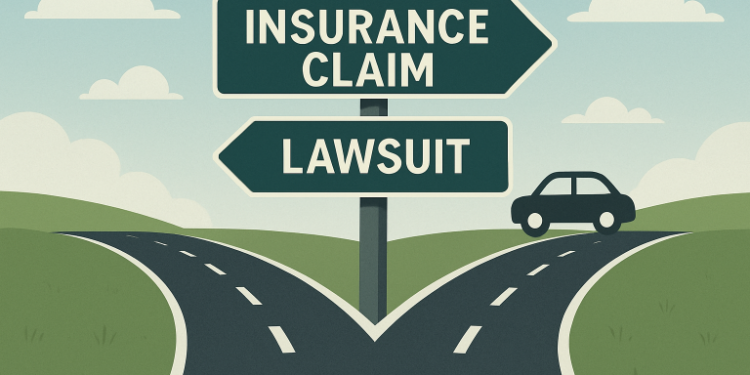
Navigating the aftermath of a car accident can be confusing, especially when you are trying to recover physically and financially. Understanding your options for seeking compensation is essential. The two main methods are insurance claims and lawsuits, each offering distinct processes and solutions. Most people begin by filing an insurance claim and negotiating settlement terms with the insurance company to address damages or injuries. However, when settlements fall short or are denied, a lawsuit may be the next logical step.
Choosing the right path directly impacts your ability to recover adequate compensation for your losses. Consulting reputable firms, such as Sattiraju & Tharney, LLP, can give you clarity on whether to pursue a claim or a lawsuit based on the specific circumstances surrounding your accident.
It is also important to recognize the different legal standards in place depending on where the accident occurs. States that use no-fault systems, like New York and Florida, require drivers to first turn to their own insurance for certain claims. In contrast, at-fault states permit the injured party to pursue the other driver’s insurance and, if necessary, legal action to recover damages. The way these rules apply can significantly affect your recovery options and timeline.
While an insurance claim is generally intended to be a swift resolution, not every case can be resolved at this stage. Sometimes the severity of injuries, unclear liability, or limited insurance coverage can create obstacles. When these issues arise, the courts can offer a path to a larger or fairer settlement, most often through a lawsuit.
Table of Contents
Understanding Insurance Claims
Insurance claims form the foundation of the compensation process after most car accidents. When you report the incident to your insurance provider, they evaluate your claim based on the policy terms, accident details, and damages. In states with no-fault laws, such as Florida, your insurance typically covers your immediate medical expenses and lost wages regardless of who was at fault. On the other hand, if the accident meets certain legal thresholds, you may be allowed to pursue a claim against the at-fault driver’s insurance.
The insurance claims process often involves providing documentation, such as police reports, medical records, and repair estimates. Adjusters will review these materials and may negotiate a settlement. In straightforward cases involving minor injuries and clear liability, this approach often provides a faster resolution and lower legal costs than lawsuits.
When to Consider a Lawsuit
If the insurance claim does not result in satisfactory compensation or is outright denied, filing a lawsuit may be necessary. A lawsuit is a formal process in which a court examines evidence, determines liability, and awards damages. Lawsuits often occur in cases involving significant or permanent injuries, when liability is disputed, or when the available insurance coverage is inadequate to cover all losses.
Turning to the courts means committing to a lengthier, often more complex process. There are filing fees, discovery procedures, and potentially lengthy settlements or trial dates to consider. Nevertheless, pursuing a lawsuit can be worth it for individuals who face steep medical bills or who cannot resolve liability disputes through insurance alone.
Key Differences Between Claims and Lawsuits
- Formality: Insurance claims are negotiations handled out of court, while lawsuits are conducted through the legal system with judges and juries.
- Timeframe: Claims can be resolved relatively quickly, while lawsuits are often measured in months or even years.
- Cost: The claims process is generally less expensive, often not requiring an attorney, whereas lawsuits involve court costs, potential expert witness fees, and attorney fees.
- Control: You negotiate directly in claims, but in lawsuits, the outcome is largely controlled by the judge or jury.
- Compensation Scope: Insurance claims are limited by the policy’s coverage limits. Lawsuits may provide access to additional damages, including pain and suffering or punitive damages in qualifying cases.
Factors Influencing the Decision
Deciding whether to continue negotiating with an insurer or move to formal litigation revolves around a few critical considerations:
- Severity of Injuries: Those with minor injuries often get adequate compensation through insurance claims, while lawsuits are more common for severe or lasting injuries.
- Disputed Fault: If there is disagreement over who is responsible, filing a lawsuit might be necessary to establish liability through court proceedings.
- Insurance Coverage: When damages exceed available insurance limits, victims may need to file a lawsuit to pursue additional compensation from the at-fault party.
Conclusion
Understanding the difference between an insurance claim and a lawsuit after a car accident is crucial for deciding your next steps. The right approach depends on your injuries, the clarity of liability, and the adequacy of available insurance coverage. Weighing these factors carefully and seeking professional guidance can help maximize your compensation, ultimately protecting both your health and your financial future.