Financial Exploitation in Nursing Homes: A Growing Crisis
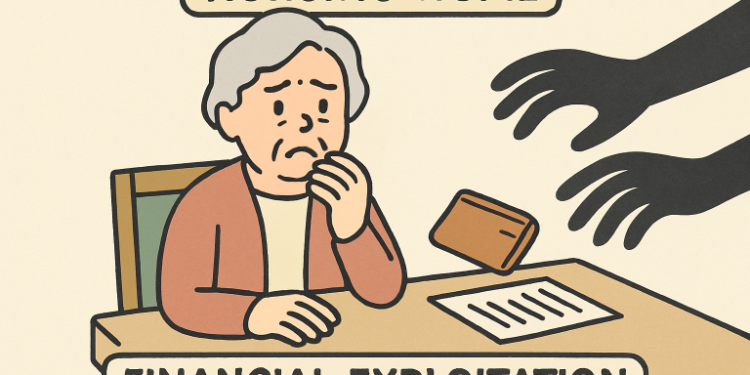
Table of Contents
- 1 Understanding Financial Exploitation in Nursing Homes
- 2 Prevalence and Impact of Financial Abuse
- 3 Common Tactics Used by Perpetrators
- 4 Recognizing the Signs of Financial Exploitation
- 5 Legal Framework and Protections
- 6 Preventive Measures for Families and Caregivers
- 7 Case Studies Highlighting the Crisis
- 8 Conclusion
Understanding Financial Exploitation in Nursing Homes
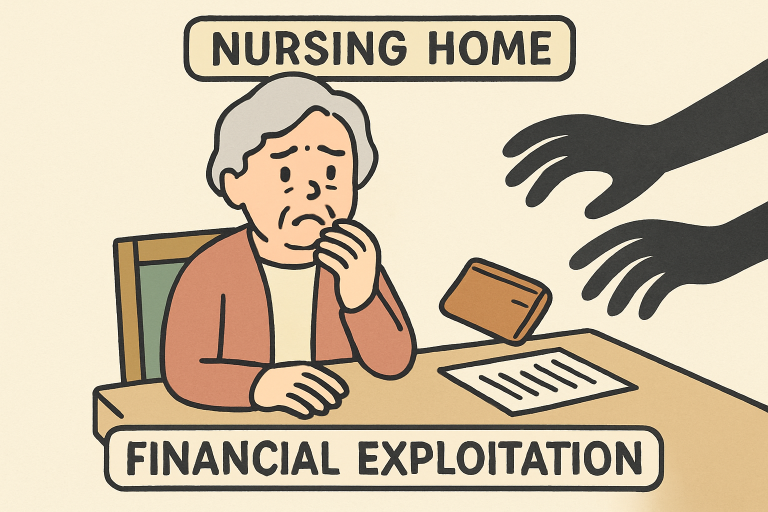
Financial exploitation is a form of elder abuse that involves the improper or unauthorized use of a nursing home resident’s finances, assets, or property. In many cases, this exploitation is committed by those in trusted positions such as staff, caregivers, or even fellow residents. The tactics used range from outright theft or forgery to subtle forms of coercion, such as manipulating a resident into modifying their will or estate documents.
This issue persists across the country, but recent cases, such as those involving Atlanta nursing home financial abuse, have drawn greater attention to the epidemic. Whether the abuse is subtle or overt, the emotional and economic consequences for victims are always severe and long-lasting.
Prevalence and Impact of Financial Abuse
The scope of the problem is substantial, as demonstrated by recent investigations. For example, Texas Adult Protective Services reported 13,380 cases of financial exploitation among older people in fiscal year 2023 alone, with several hundred occurring even in medium-sized cities. According to the National Council on Aging, as much as $36.5 billion is lost annually to financial exploitation and fraud targeting America’s elderly. The impact extends beyond finances, often causing stress, depression, loss of trust, and a severe decrease in the quality of life for victims.
Financial losses can jeopardize a resident’s ability to pay for ongoing care, housing, and necessities, making it difficult for them to regain independence or a sense of security. As these crimes are often underreported due to fear, embarrassment, or cognitive impairments, the accurate scale may be even greater than statistics reveal.
Common Tactics Used by Perpetrators
Those who exploit elderly nursing home residents often use a range of deceitful approaches to gain access to funds or property. Common tactics include:
- Unauthorized Access to Financial Information: Staff or other residents may gain illicit access to the resident’s bank accounts or credit cards, sometimes through stolen passwords or physical theft.
- Coercion and Undue Influence: Residents, especially those suffering from cognitive impairment, may be manipulated into making changes to legal or financial documents that favor the abuser.
- Misuse of Authority: Trusted individuals with legal authority, such as a power of attorney or guardianship, may exploit their position for financial gain rather than serve the resident’s best interests.
Recognizing the Signs of Financial Exploitation
Families and care staff must remain vigilant for signs of financial abuse. Warning signs can include:
- Unexplained withdrawals, transfers, or large purchases on residents’ accounts.
- Sudden changes to financial documents such as wills, trusts, or powers of attorney.
- Missing possessions or cash, especially high-value items.
- Unpaid bills, eviction notices, or new credit card debt despite sufficient funds or income.
Observing any of these signs should prompt immediate investigation and, where necessary, legal or regulatory intervention.
Legal Framework and Protections
State and federal regulations are designed to protect seniors from financial exploitation. The Consumer Financial Protection Bureau has issued comprehensive guides to help assisted living and nursing facility staff identify, record, and report suspected financial abuse or scams targeting residents. State-specific agencies, such as Adult Protective Services and Medicaid Fraud Control Units, play vital roles in investigating claims, prosecuting offenders, and providing support to affected residents and families.
Families should familiarize themselves with local regulatory bodies and reporting mechanisms, as quick action is often necessary to halt ongoing abuse and recover lost assets.
Preventive Measures for Families and Caregivers
How Families Can Safeguard Loved Ones
- Maintain Open Communication: Establish ongoing, transparent conversations about financial matters and any changes in a loved one’s financial situation or documentation.
- Monitor Financial Accounts: Frequently review bank statements, credit card reports, and other financial records to detect unusual transactions or unauthorized activity.
- Educate on Common Scams: Inform residents about scams commonly targeting seniors, such as phony IRS calls, lottery schemes, and phishing emails, so they are empowered to avoid becoming victims.
Improving Institutional Safeguards
- Nursing homes should conduct rigorous background checks of employees and provide ongoing training on identifying and reporting financial exploitation.
- Establishing secure procedures for managing residents’ finances and limiting access to personal or financial information further reduces risk.
Case Studies Highlighting the Crisis
Several high-profile cases have brought much-needed awareness to the crisis of financial exploitation in nursing homes. For example, in New York, the operators of four nursing homes agreed to a $45 million settlement after allegations surfaced regarding gross neglect and large-scale misappropriation of residents’ funds. These outcomes, while addressing immediate harm, highlight a broader need for systemic reform, oversight, and consistent enforcement of protections at every level of care.
Conclusion
The issue of financial exploitation in nursing homes affects thousands of families each year, resulting in significant economic and emotional trauma. Recognizing the signs, understanding perpetrators’ tactics, and taking proactive steps through strong prevention and legal action are all critical elements in fighting this pervasive form of abuse. By working collaboratively, families, caregivers, legal and regulatory authorities, and financial institutions can uphold the safety and dignity of nursing home residents nationwide.