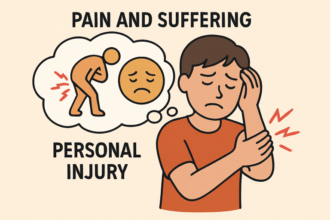
How Social Media Can Hurt Your Personal Injury Case
Table of Contents
Introduction
Social media is woven into the fabric of daily life for millions, offering platforms to connect with friends, document activities, and share important life events. In the context of a personal injury claim, however, posting on social media can have unexpected consequences. Many individuals do not realize just how much their online presence can impact the outcome of a legal case. Seeking guidance from experienced personal injury attorneys at Quinn Law Group can be essential to make sure your social media activity does not undermine your pursuit of a fair settlement.
More than just an online journal, social media services like Facebook, Instagram, and Twitter create a digital archive that insurance adjusters and defense attorneys may use to challenge your claim. It is essential to be aware of the risks, understand what to avoid, and protect your interests throughout the legal process.
The Double-Edged Sword of Social Media
The accessibility and popularity of social platforms make them useful for networking and sharing personal achievements. Yet, what you post publicly or even privately can become evidence in your lawsuit. Defense attorneys are increasingly searching for details on claimants’ feeds to find content that might suggest an injury is less severe than what is alleged. For example, something as innocent as sharing a photo from a family barbecue could be interpreted as proof of your physical well-being, even if attending did not contradict your medical condition.
Common Social Media Mistakes to Avoid
- Posting Photos or Videos of Physical Activity: Sharing any visual content that shows you being physically active, even if it was taken before your injury or on a “good day,” allows the opposing counsel to argue that your injuries may be exaggerated.
- Discussing Your Case Online: Publicly describing the details of your accident or ongoing settlement discussions provides the defense with material that can be used to undermine your testimony or reveal inconsistencies.
- Checking In or Tagging Locations: Social media apps often make it convenient to share your location, but doing so can suggest you are more mobile and less affected by your injuries than your claim implies.
While platforms often promise control over who can see your posts, privacy is never fully guaranteed. According to NPR, privacy settings are imperfect, and there is no assurance that your intended audience is the only one viewing your posts.
Privacy Settings Are Not Foolproof
Even substantial privacy barriers can be overcome in the context of a legal dispute. Courts routinely issue subpoenas for social media records, and mutual friends may share your private posts beyond your chosen circle. Anything you publish should be considered potentially public. That means the safest approach is to minimize your activity altogether during an ongoing legal claim.
Impact on Credibility and Compensation
Your online activity can be directly tied to your perceived honesty during litigation. If your posts contradict statements made in your sworn testimony or to the insurance company, defense attorneys will use them as a reason to challenge the legitimacy of your claim. This not only threatens your credibility but can also decrease your compensation or even lead to your case being dismissed.
As reported by NPR, lawyers have embraced social media as a resource for gathering evidence in court, enabling them to find posts, photos, and other digital activity that can either make or break a case.
Best Practices for Social Media During a Case
Taking specific steps can help protect your interests throughout your legal proceedings:
- Limit Social Media Activity: Temporarily pause your usual online engagement or avoid posting altogether while your case is active.
- Do Not Discuss Your Case: Avoid sharing any updates, opinions, or reactions regarding the accident, your injuries, or interactions with insurance companies and attorneys.
- Monitor Tagged Content: Politely ask those close to you not to tag you in photos or posts while your claim is unresolved. Posts from friends and family that include you can also be used against you.
- Review Privacy Settings: Regularly check and set all social media profiles to the highest privacy setting. However, never rely on these controls to completely shield your posts from scrutiny.
Real-Life Consequences
Numerous cases highlight the serious risks of ignoring these guidelines. In one notable instance, a person pursuing a back injury claim posted photos on Instagram of themselves hiking and enjoying outdoor adventures. The insurance defense team presented this evidence, arguing that the injuries must be less severe than described. The result was a dramatic reduction in the final settlement, a cautionary tale that shows how small details can have outsized effects.
Conclusion
Exercising caution and discipline with your social media activity is crucial if you want to maximize your chances of success in a personal injury case. Even well-meaning posts and casual updates can be misconstrued and used against you. By limiting your online presence, consulting with qualified professionals, and following best practices, you help protect your claim and improve your odds of receiving fair compensation.