How to Choose the Right Size When You Buy Silver Bars
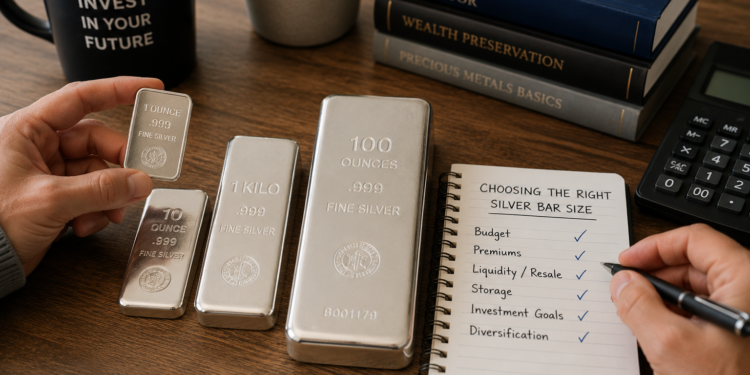
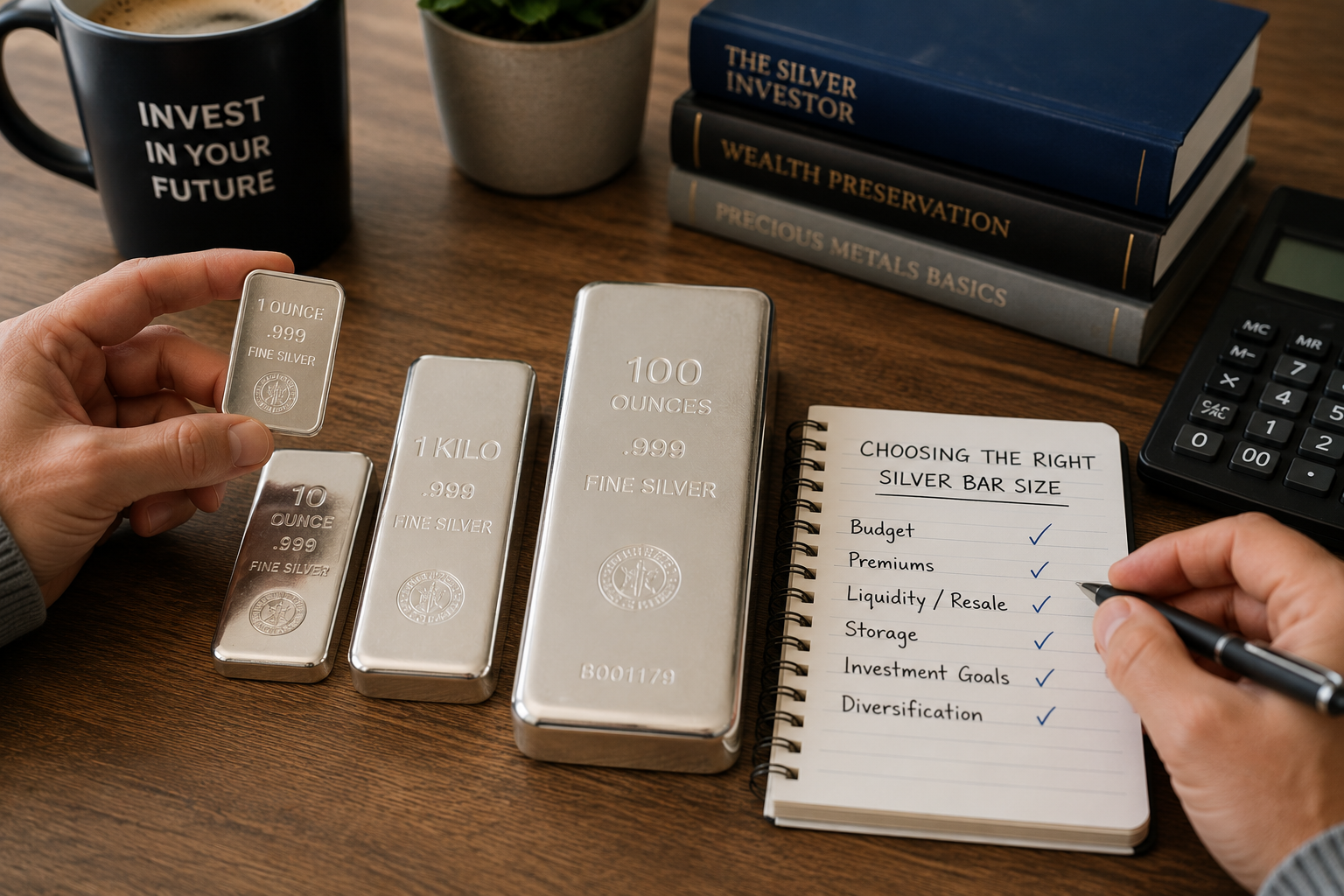
Whether you are making your first precious metals purchase or expanding an existing portfolio, deciding which size of silver bar to buy is one of the most important choices you will make. Investors looking to buy silver bars quickly discover that they are available in a wide variety of weights, from small one-ounce bars through to substantial kilogram and even larger investment bars. While each option contains physical silver, the most suitable choice depends on factors such as budget, investment goals, flexibility and future resale plans.
Selecting the right size is not simply about purchasing the largest amount of silver possible. It involves balancing affordability with practicality while considering how the investment may fit into your long-term financial strategy.
Start With Your Budget
Your available budget naturally influences the range of silver bars you can consider.
Smaller bars allow investors to begin building a precious metals portfolio without committing a large amount of money upfront. This can make silver investing accessible to people who prefer making regular purchases over time rather than investing a substantial lump sum.
Larger bars, meanwhile, generally require a greater initial investment but may offer advantages for those intending to build significant holdings.
Rather than stretching finances to purchase the biggest bar available, many investors choose a size that fits comfortably within their overall investment plan.
Consider the Premium Above Spot Price
Every silver bar sells for more than the underlying market value of the silver it contains.
This additional amount, commonly known as the premium, covers refining, manufacturing, transportation, storage and dealer operating costs.
In many cases, larger bars carry lower premiums per ounce than smaller ones because production costs are spread across a greater quantity of silver.
For investors focused on obtaining as much silver as possible for their money, this difference can become an important consideration.
However, lower premiums should always be balanced against flexibility and future resale needs.
Think About Future Liquidity
One factor that is sometimes overlooked is how easily different bar sizes can be sold.
Smaller bars often appeal to a wider range of buyers because they require a lower financial commitment. If you decide to sell part of your investment in the future, owning several smaller bars may provide greater flexibility than holding one very large bar.
For example, someone with ten individual bars can choose to sell only a portion of their holdings while retaining the remainder.
By comparison, a single large bar generally has to be sold as one unit.
Many investors value this flexibility when planning for the future.
Storage Requirements
The size of your silver investment also affects how it should be stored.
A modest collection of smaller bars may fit comfortably inside a home safe, while larger holdings may require additional storage planning.
Some investors choose professional vault storage, while others use secure home safes or bank deposit facilities depending on the value of their collection and their preferred level of accessibility.
Planning storage before making a purchase helps ensure that your investment remains secure from the outset.
Portfolio Diversification
Diversification is a common principle across many forms of investing, and silver is no exception.
Rather than purchasing only one size of bar, many investors gradually build a mixed collection containing several different weights.
This approach combines the lower premiums often associated with larger bars alongside the greater flexibility offered by smaller ones.
A varied portfolio may also simplify future selling decisions if circumstances change.
Instead of being restricted to a single product size, investors have multiple options available.
Manufacturer Reputation
The size of the bar is only one aspect worth considering.
Equally important is the reputation of the refinery or mint that produced it.
Well-known manufacturers often maintain high quality standards while producing bars that are widely recognised throughout the precious metals industry.
Recognisable brands may also provide additional confidence for future buyers if the owner later decides to sell.
Many bars include serial numbers, assay certificates or tamper-evident packaging that further support authenticity.
Investment Objectives Matter
Different investors purchase silver for different reasons.
Some are primarily interested in preserving wealth over the long term.
Others are seeking diversification within a broader investment portfolio, while some simply enjoy collecting physical bullion.
Your objectives can influence which bar size makes the most sense.
Someone making regular monthly purchases may naturally favour smaller bars that fit a recurring investment budget.
An investor making occasional larger purchases may find bigger bars more suitable.
Understanding your own investment goals helps guide product selection.
Ease of Handling
Although it may seem like a minor consideration, handling physical silver becomes increasingly relevant as holdings grow.
Smaller bars are generally easier to inspect, organise and transport if necessary.
Larger bars reduce the number of individual items requiring storage but may be less convenient to move or divide if only part of an investment is eventually sold.
Practical considerations like these often become more important than first-time buyers initially expect.
Avoid Making Decisions Based Solely on Price
It can be tempting to compare products purely on cost per ounce.
While pricing is certainly important, it should not be the only deciding factor.
Dealer reputation, product authenticity, recognised manufacturers, delivery arrangements and customer service all contribute to the overall value of a purchase.
Choosing a slightly more expensive product from a trusted supplier may provide greater confidence than selecting the absolute lowest-priced option available.
Investing in precious metals is often viewed as a long-term decision, making reliability just as important as initial cost.
Build Your Collection Gradually
Many successful investors do not attempt to purchase all of their silver at once.
Instead, they build their holdings steadily over time, adding bars whenever their budget allows.
This gradual approach spreads purchases across different market conditions while reducing the pressure of trying to identify the perfect moment to buy.
It also allows investors to gain experience with different bar sizes before committing larger sums in future.
As confidence grows, purchasing decisions often become easier and more closely aligned with long-term investment objectives.
Choosing the right size when you buy silver bars ultimately comes down to balancing affordability, flexibility and investment goals. Smaller bars provide accessibility and easier resale opportunities, while larger bars often offer lower premiums per ounce and greater efficiency for substantial investments. There is no universally correct choice, as the best option depends on your financial circumstances and how you intend to build your precious metals portfolio. By considering budget, storage, liquidity and long-term plans before purchasing, investors can select silver bars that support both their immediate needs and future investment ambitions.