How Pain And Suffering Are Calculated In Personal Injury Cases
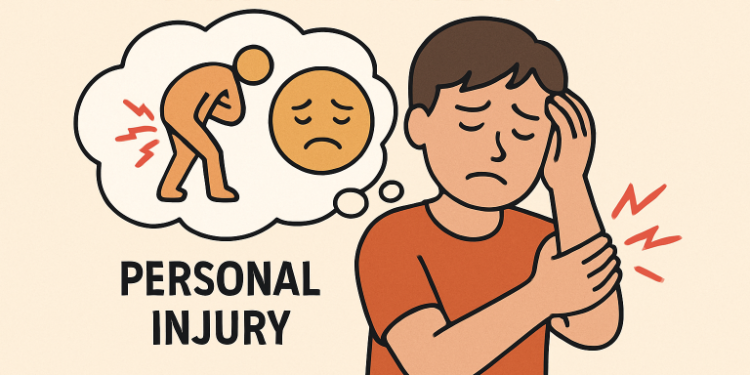
When you are injured due to someone else’s negligence, the legal system allows you to seek compensation for more than just your tangible financial losses. One of the most significant forms of compensation is for pain and suffering. Understanding how these damages are evaluated can help you navigate the legal process and advocate for your full recovery. Clients seeking experienced guidance often consult with Chamlin, Uliano & Walsh: Monmouth County Personal Injury Lawyers to understand their rights and maximize their potential compensation.
Pain and suffering encompass the physical discomfort, emotional trauma, and diminished quality of life that can arise from an accident or injury. Unlike medical bills or lost wages, these damages are subjective and can vary greatly from case to case. Knowing how courts and insurance companies value pain and suffering is crucial for anyone pursuing a personal injury claim.
Table of Contents
What Are Pain and Suffering Damages?
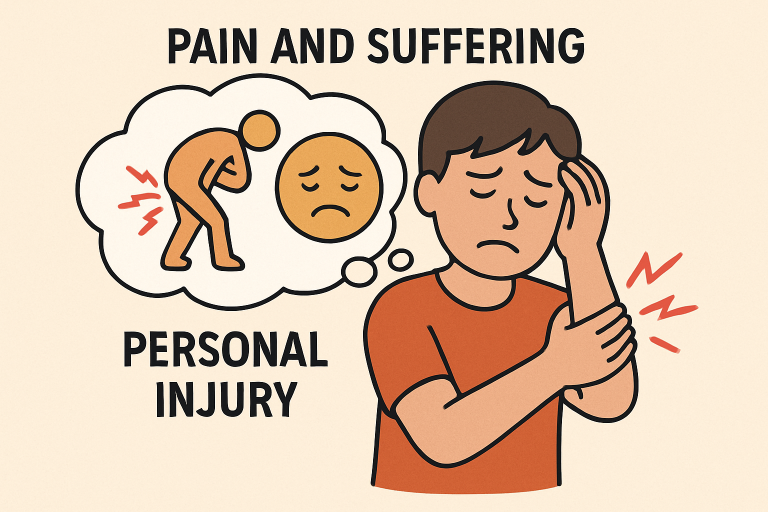
The legal concept of pain and suffering covers both the physical pain and emotional distress caused by an injury. This can include ongoing aches, limitations in movement, anxiety, depression, insomnia, and loss of enjoyment of life. These damages recognize that an injury can go far beyond what is visible and have lasting effects on a person’s daily living and relationships.
Types of Pain and Suffering
Pain and suffering damages are generally divided into two categories: physical and mental. Physical pain refers to the discomfort and ongoing aches associated with the injury, while mental pain addresses the emotional impact. This can involve trauma, embarrassment, fear, sleep disturbances, or even post-traumatic stress disorder. Insurance companies and courts look for clear evidence of both when awarding compensation.
Methods for Calculating Pain and Suffering
Since pain and suffering are non-economic damages with no set dollar amount, insurers and courts commonly use two main methods to estimate these losses:
- The Multiplier Method: This approach multiplies the claimant’s actual economic damages, such as medical bills and lost wages, by a number typically between 1.5 and 5. The more severe the injury and impact on daily life, the higher the multiplier. For example, a serious, life-altering injury could warrant a multiplier on the higher end of the scale.
- The Per Diem Method: Meaning “per day,” the per diem approach assigns a specific dollar amount for each day the victim suffers from the injury. This sum is multiplied by the number of days the person is expected to experience pain and suffering, starting from the date of injury until they reach maximum medical improvement.
Insurers might use one or both methods, but there is room for negotiation, especially when the facts of the case are compelling.
Factors That Affect the Calculation
Several factors often influence the value placed on pain and suffering in a personal injury case:
- Severity and permanency of the injuries
- Length of recovery time and expected future limitations
- Impact of injuries on daily life and ability to work or enjoy hobbies
- Clarity of medical documentation and testimony
- Comparative negligence or shared fault in the accident
Each case is unique, and details such as the victim’s age, pre-existing conditions, and the credibility of all parties may also play a role in determining the final award.
The Importance of Documentation
Thorough documentation is critical when seeking damages for pain and suffering. Medical records, therapy notes, prescription lists, and any photographs of visible injuries help to support your claim. Detailed personal journals that track pain levels, emotional setbacks, and restrictions in daily routine can be especially persuasive to insurance adjusters and juries.
Challenges in Proving Pain and Suffering
Unlike economic losses, pain and suffering are inherently subjective. Insurers may downplay the extent of your emotional distress or accuse plaintiffs of exaggerating symptoms. Expert testimony from doctors or mental health professionals can help bridge this gap. Testimonies from family, friends, and employers may also confirm the impact on your life activities, further demonstrating the validity of your claim. For more in-depth legal insights, consult this Justia resource on non-economic damages in personal injury lawsuits.
Getting Legal Help for Maximum Recovery
Professionals who focus on personal injury cases understand the nuances of negotiation with insurers and presenting persuasive evidence in court. Attorneys assist in compiling medical evidence, retaining expert witnesses, and making sure that all aspects of your pain and suffering are properly valued. Working with a dedicated legal team ensures the fairest outcome, especially in cases involving complex injuries or disputed liability.
Conclusion
Calculating pain and suffering damages involves more than a simple formula. It requires careful evaluation of the injury’s impact and diligent documentation. Understanding your right to compensation and knowing which factors influence settlement amounts is essential for a successful claim. With effective legal representation and thorough preparation, you can pursue the recovery you truly deserve.