Preventing Dental Problems Before They Start
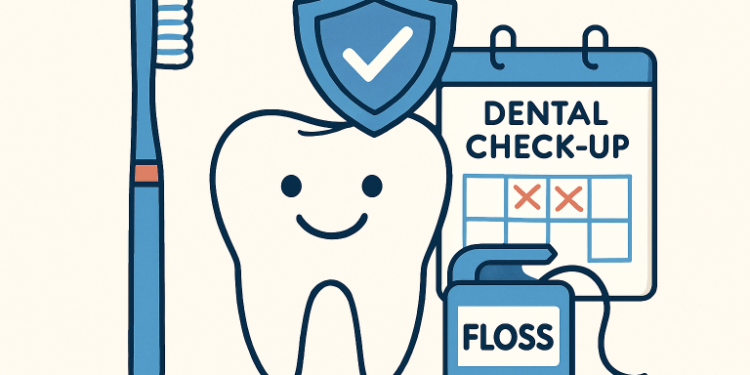
Optimal oral health starts with conscious, proactive measures long before any symptoms appear. Prioritizing oral hygiene not only preserves your smile but also safeguards your overall health. Consulting with a professional dentist can help individuals determine the best preventive strategies tailored to their needs, setting a foundation for long-term dental wellness.
By practicing preventive care daily, people can significantly reduce the risk of developing cavities, gum disease, and other oral health concerns. Establishing healthy habits at home and scheduling regular check-ups enable early detection and timely management of potential problems, preventing minor concerns from escalating into more serious conditions.
Comprehensive oral health impacts more than just your teeth and gums. Scientific research continues to reveal connections between oral conditions and chronic diseases such as heart disease, diabetes, and stroke. As a result, focusing on prevention not only supports dental health but also enhances your quality of life.
Along with self-care, advancements in dental technologies and preventive treatments offer improved protection and enable dentists to identify potential issues long before they become problematic. This modern approach to oral health empowers everyone, from young children to older adults, to take control of their dental future.
Table of Contents
Importance of Oral Health
The significance of oral health goes well beyond an attractive smile. Dental issues such as cavities and gum disease can create discomfort and may eventually contribute to serious health complications. Research from the Centers for Disease Control and Prevention (CDC) indicates that untreated dental conditions can interfere with basic functions such as eating, speaking, and even learning, especially in children. Poor oral hygiene is also linked to systemic illnesses, including heart disease and diabetes, underscoring the mouth’s interconnectedness with the rest of the body.
Daily Oral Hygiene Practices
Consistent daily practices are the building blocks of preventive dental care. Essential tasks such as:
- Brushing: Use a soft-bristled toothbrush with fluoride toothpaste. Brush at least twice a day, spending at least 2 minutes each time to remove plaque thoroughly.
- Flossing: Clean between teeth daily with dental floss or an interdental cleaner to remove plaque that brushing alone may miss.
- Mouthwash: Rinse with an antimicrobial mouthwash to decrease bacteria, prevent plaque buildup, and freshen breath.
Implementing these habits significantly reduces the chance of cavities, gum disease, and other oral issues before they can develop.
Regular Dental Check-Ups
Routine dental appointments play a pivotal role in prevention. Dentists recommend visits every six months for cleanings and exams. Professional cleaning is necessary to remove tartar that cannot be eliminated by brushing or flossing at home. These visits also allow oral health professionals to detect the earliest signs of decay, gum inflammation, or other issues, enabling timely intervention. The CDC underscores that consistent dental care leads to better health outcomes and fewer emergency treatments. For further details, visit the CDC’s oral disease prevention resource.
Balanced Diet and Nutrition
Nutrition significantly influences the condition of teeth and gums. A diet rich in calcium, vitamin D, and whole foods supports strong enamel and healthy tissue. Limiting sugar and acidic drinks is vital, as they can feed harmful bacteria that cause decay. Establishing nutritious eating habits is especially important for children, since their teeth are still developing. Fluoride, whether found in toothpaste or tap water, also plays a key role in cavity prevention. For detailed nutritional advice related to oral health, see this ADA resource.
Protective Dental Treatments
Preventive care offered by dental professionals extends beyond cleanings. Treatments such as:
- Fluoride Varnish: Professionally applied fluoride can help remineralize enamel and prevent decay, especially in children’s primary teeth.
- Dental Sealants: Thin coatings applied to the chewing surfaces of molars help block bacteria and food particles, significantly reducing the risk of cavities in these vulnerable areas.
These measures are particularly effective for younger patients but can also benefit cavity-prone adults.
Educating Children on Oral Health
Early education and parental involvement are crucial for shaping lifelong habits. Teaching kids how to properly brush and floss, along with explaining the value of regular dental appointments, gives them a head start toward lasting dental health. Parents can use CDC resources to make learning about oral hygiene fun and effective for children of all ages.
Emerging Technologies in Dental Prevention
Modern dentistry continues to embrace new tools and technologies to stay ahead of dental disease. Innovations powered by artificial intelligence allow dentists to detect even the subtlest signs of gum disease with remarkable precision. For example, clinical studies show that AI-driven diagnostic technologies have led to a sharp reduction in advanced gum disease cases by identifying issues early. As these tools become more widely available, they promise to transform preventive care by facilitating earlier and more effective interventions. More information can be found in reports such as this news article on AI-powered dental diagnostics.
Conclusion
Prevention is truly the cornerstone of oral health. Simple home routines, regular professional care, a balanced diet, and awareness of new preventive technologies collectively empower individuals to avoid many common dental problems. By embracing these strategies and trusting expert guidance, people of all ages can enjoy the benefits of a healthy mouth and lower their risk of developing systemic illnesses linked to poor dental care.