How Oral Surgery Is Shaping Modern Dental Care
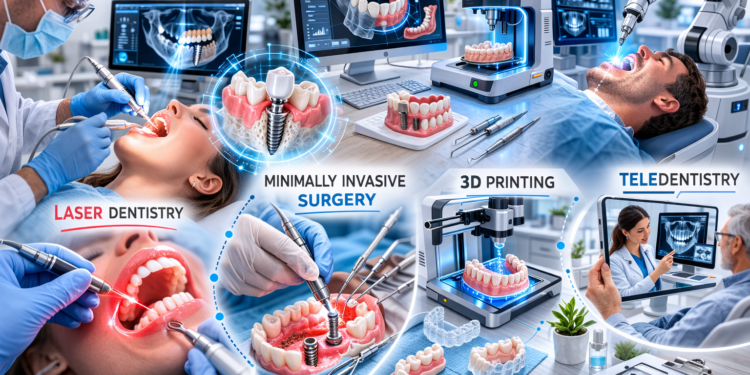
Oral surgery continues to impact the evolution of dental care, driving advancements in patient comfort, precision, and recovery rates. Recent developments in the field have paved the way for less invasive treatments and quicker healing, addressing a wide spectrum of dental conditions, including bleeding gums and complex restorative needs. Patients can now benefit from innovative techniques that minimize discomfort and improve long-term oral health outcomes.
Practitioners are embracing breakthroughs spanning digital workflows to robotics, fundamentally improving how dental care is delivered. The convergence of new technologies and materials is making routine and advanced procedures safer and more efficient. As a result, the modern dental experience is not only more comfortable for patients but also more predictable and successful for providers.
Technology’s role in oral surgery goes well beyond mere convenience. It fosters a collaborative environment for dental professionals and empowers patients with quicker diagnoses and tailored treatment plans. These innovations collectively transform not only surgical care but also preventive strategies and ongoing oral health management.
Table of Contents
Minimally Invasive Techniques
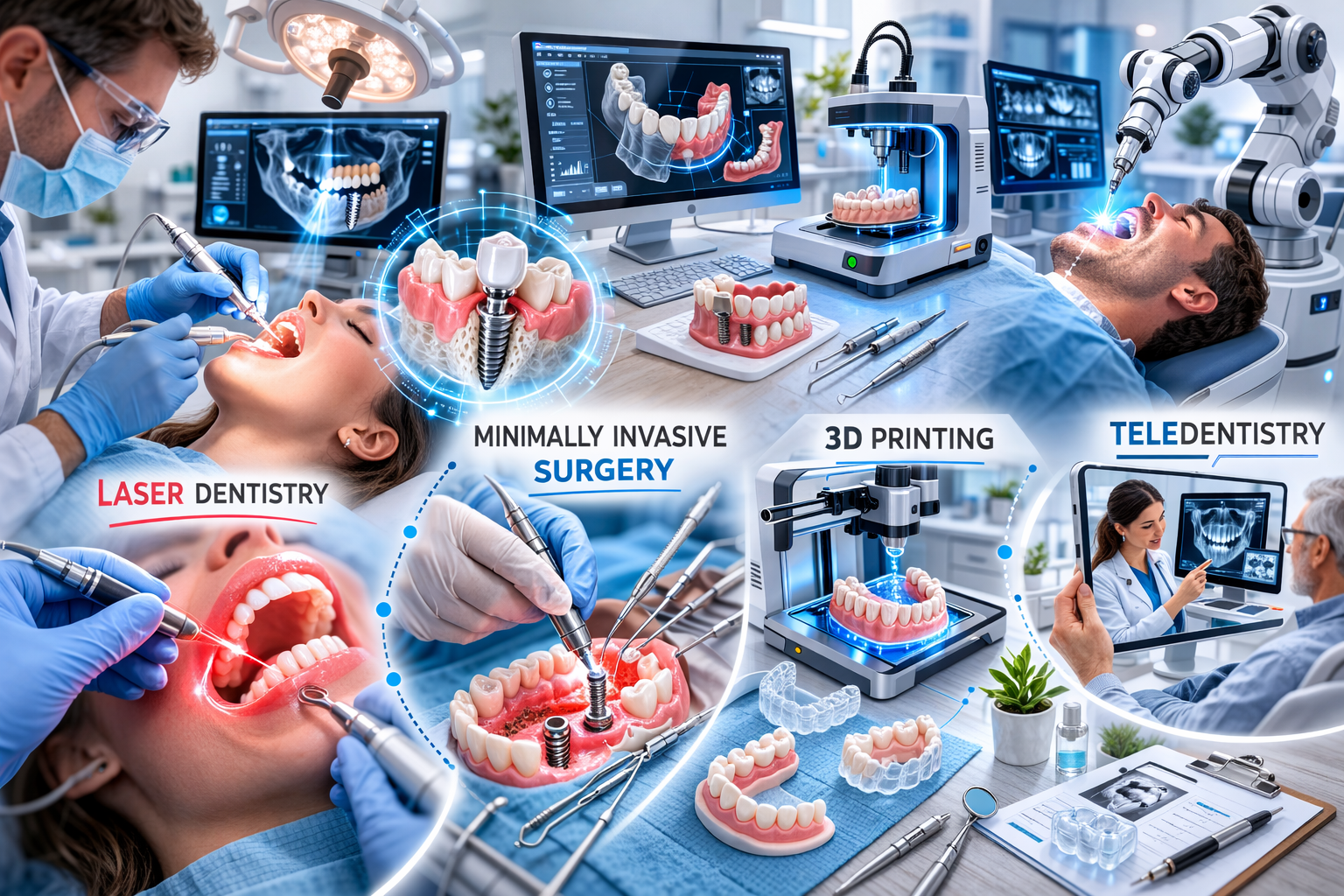
Today’s oral surgeons utilize minimally invasive procedures to replace traditional, more traumatic surgical approaches. These methods use specialized instruments and imaging, allowing surgeons to perform tasks such as extractions or implant placement with smaller incisions and greater accuracy. Patients benefit from less post-operative swelling, minimal discomfort, and faster recoveries. For example, guided implant surgery pairs digital scans with custom surgical guides for extremely precise implant placement. This approach is especially impactful for individuals with complex anatomical considerations, reducing the need for additional surgeries and enhancing implant success rates.
Digital Imaging and 3D Printing
The diagnostic and planning stages of dental care have been revolutionized by digital imaging and 3D printing. Digital scanners quickly generate detailed 3D images of a patient’s teeth and jaws, eliminating the need for traditional impressions. Dentists then use computer-aided design and manufacturing (CAD/CAM) software to create highly customized restorations on-site, often within the same appointment. 3D-printed surgical guides and dental models streamline complex procedures, enabling faster treatments and greater accuracy.
Laser Technology in Oral Surgery
Lasers are now a vital tool in oral surgery, offering a gentler alternative to scalpels and mechanical drills. Laser-assisted surgery can be used for gum reshaping, treating periodontal disease, and even removing oral lesions. The precision of laser technology means procedures can often be completed with minimal bleeding, less pain, and decreased risk of infection. These benefits extend recovery times and improve patient satisfaction, making laser treatment a rapidly growing option for a variety of dental conditions.
Artificial Intelligence in Dental Diagnostics
Artificial intelligence (AI) is being integrated into dental practices to enhance diagnostic accuracy. AI-powered systems can analyze X-rays and 3D scans to detect issues such as decay, bone loss, and early signs of oral cancer far sooner than human eyes alone. This technology assists with both routine checkups and complex treatment planning, helping dental professionals deliver timely, effective interventions. More precise diagnostics reduce unnecessary treatments and ensure patients only undergo procedures that truly benefit their oral health.
Robotics Enhancing Surgical Precision
Robotics is redefining the limits of precision in oral surgery. Systems like the Yomi robotic arm guide surgeons during procedures such as dental implant placement, allowing for unmatched consistency and accuracy. These tools are most beneficial in cases with limited bone availability or unique anatomical challenges. Surgeons can rely on robotics for real-time feedback and enhanced control, minimizing the risk of complications and speeding patient recovery.
Teledentistry: Expanding Access to Care
Teledentistry is breaking down barriers to care for many communities. Secure, high-definition video platforms allow patients to consult with dental professionals from their own homes, reducing travel and wait times. Teledentistry plays a critical role in preventive care, follow-up consults, and even post-surgical monitoring. Patients experiencing mild issues, such as sensitivity or early signs of infection, can receive timely guidance, preventing more serious complications later. This expansion of care options supports overall oral health at a population level.
Biocompatible and Regenerative Materials
Innovations in dental materials have yielded new generations of biocompatible ceramics, composite resins, and regenerative materials. These substances are designed to integrate seamlessly with natural tissues, promoting healing and reducing the likelihood of rejection or infection. Advances such as stem cell-based materials are opening up the possibility of regrowing bone and soft tissues lost to disease or trauma. These technologies are making dental restorations stronger, longer-lasting, and more aesthetically pleasing.
Conclusion
Oral surgery has become safer, less invasive, and more effective thanks to technological advancements and material innovations. As digital tools, robotics, AI, and minimally invasive techniques continue to mature, both patient experiences and clinical outcomes will steadily improve. Embracing these developments enables dental professionals to deliver care that truly meets the needs of modern patients.