Table of Contents
- 1 Defining Confined Spaces and Associated Hazards
- 2 Regulatory Updates and Compliance Requirements
- 3 Technological Advancements in Confined Space Safety
- 4 Importance of Comprehensive Training Programs
- 5 Emergency Preparedness and Rescue Planning
- 6 Coordination Among Multiple Employers
- 7 Implementing a Confined Space Safety Program
- 8 Conclusion
Defining Confined Spaces and Associated Hazards
Confined spaces are work areas not intended for continuous human occupancy and usually have limited points of entry and exit. Locations such as storage tanks, utility vaults, silos, and sewer systems fall under this category, presenting a unique set of hazards. These risks include oxygen deficiency, hazardous atmospheres, toxic gases, and the potential for engulfment or entrapment. With hundreds of reported incidents each year, the importance of rigorous safety protocols cannot be overstated. For companies in need of specialized support during high-risk operations, confined space rescue services provide a crucial layer of protection and emergency readiness.
Understanding the specific dangers inherent to confined spaces—ranging from atmospheric hazards, such as carbon monoxide, to physical threats, including machinery or process-related incidents—is the first step in mitigating risk. Tragically, the U.S. Bureau of Labor Statistics indicates that confined space fatalities remain stubbornly high, highlighting the ongoing need for vigilance at the worksite.
Regulatory Updates and Compliance Requirements
Confined space safety protocols have evolved in recent years with notable updates to local and federal regulations. In California, significant changes coming into effect in January 2026 mandate that every jobsite conduct an initial survey by a designated competent person to identify confined spaces before any work begins. This approach ensures no unforeseen hazards put employees at risk. These standards require employers to maintain up-to-date confined space entry programs and ensure that every worker is informed and equipped to comply with the latest safety directives. Neglecting these requirements not only exposes employees to danger but can also result in severe regulatory penalties.
Technological Advancements in Confined Space Safety
Innovative technology is transforming the way companies manage confined space safety. Digital twin technology, for instance, enables the creation of detailed virtual models of confined work sites, allowing supervisors to simulate conditions, assess risks, and plan mitigation strategies before physical entry. In tandem with this, the use of wearable sensors, smart helmets, and continuously transmitting gas detectors enables real-time environmental monitoring and automated alerts in the event of hazardous conditions. These innovations augment the physical and procedural safeguards, reducing the probability of accidents by offering unprecedented visibility and situational awareness.
Importance of Comprehensive Training Programs
Effective training underpins every successful safety initiative. Programs like the Confined Space Safety Training for Competent Persons focus on practical hazard recognition, atmospheric monitoring, emergency response planning, and communication protocols. Thorough, hands-on instruction prepares site supervisors and workers to confidently implement best practices and respond immediately to emergencies or changing conditions. A systematic approach to training not only fulfills regulatory requirements but also contributes to building a robust safety culture, which has been linked to a significant decline in worksite injuries by resources such as the Occupational Safety and Health Administration (OSHA).
Emergency Preparedness and Rescue Planning
No confined space safety plan is complete without a well-practiced emergency response protocol in place. Employers must develop rescue strategies tailored to the specific hazards of each space, ensuring that emergency teams are readily accessible and can respond swiftly. Regular drills and simulation exercises reinforce these plans, enabling workers and rescue teams to stay prepared for time-sensitive incidents. Efficient emergency preparedness has been shown to greatly improve rescue rates and reduce the severity of outcomes when incidents do occur.
Coordination Among Multiple Employers
Construction worksites frequently involve multiple contractors and subcontractors, each with their own teams and responsibilities. Proper coordination is critical—general contractors serve as the primary point of contact, maintaining and sharing information on confined space entry, permits, hazard summaries, and safety protocols with all parties involved. This collaborative dynamic ensures that consistent standards are maintained throughout the project timeline, preventing miscommunication and reducing incidents stemming from overlooked hazards or procedural gaps.
Implementing a Confined Space Safety Program
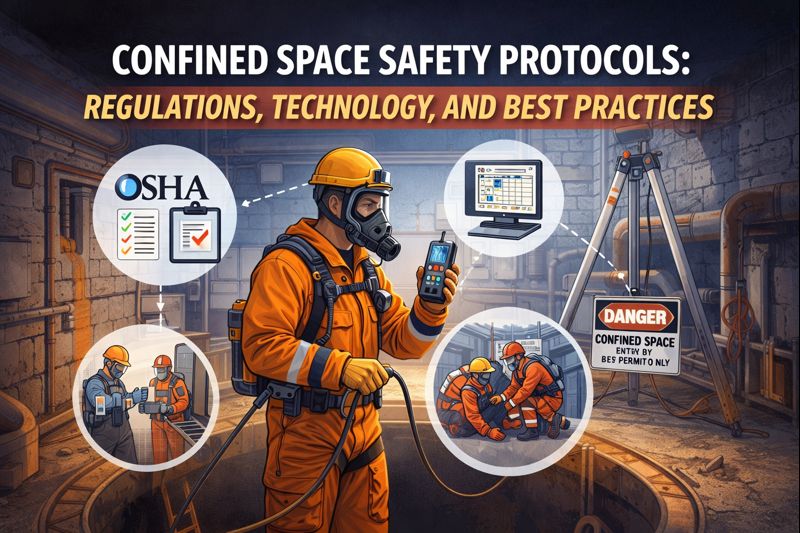
Every organization tasked with operations in confined spaces should implement a detailed safety program. Essential components include strict policies for personal protective equipment (PPE), entry preparation, atmospheric testing, lockout/tagout procedures, effective communication systems, and clearance documentation for both entry and exit. Additionally, each confined space must be accurately identified and mapped, and all safety measures must be routinely evaluated for their efficacy, with updates made as needed to reflect regulatory changes and technological advancements. This approach ensures that every worker is empowered to identify, report, and manage confined space hazards proactively.
Conclusion
Modern confined space safety protocols demand an integrated strategy—one that merges regulatory compliance, technological innovation, interactive training, emergency preparedness, cross-team coordination, and vigilant program management. By attending to each of these crucial elements, organizations can significantly reduce risk, safeguard their workforce, and foster a culture of preparation and awareness, ultimately ensuring safe and productive operations, even in the most challenging environments.