How Specialized Wound Care Can Support Long-Term Healing
Chronic wounds, including diabetic ulcers, pressure sores, and venous ulcers, persist as a significant health concern affecting millions each year. These wounds place a heavy burden on individuals—physically, emotionally, and financially—while straining healthcare systems globally. Timely, effective intervention is crucial, as complications resulting from mismanaged chronic wounds can lead to increased pain, infection, and even amputation or mortality. Patients seeking effective management for persistent wounds often benefit most by consulting a wound care clinic that offers specialized expertise and advanced therapies tailored to each unique case.
Comprehensive wound care is not just about addressing surface symptoms—it demands an integrated, personalized approach. Since every chronic wound has distinctive causes and healing barriers, individualized evaluation and monitoring are key. By leveraging both clinical expertise and state-of-the-art tools, wound specialists create conditions that foster long-term healing, reduce complications, and ultimately restore quality of life.
Table of Contents
Understanding Chronic Wounds
Chronic wounds are injuries that stall in their natural healing process, typically remaining open for weeks or months. Unlike acute wounds that follow a straightforward path to closure, chronic wounds are complicated by underlying health issues or environmental factors. The most prevalent types include:
- Diabetic Foot Ulcers: Open sores, often on the feet, resulting from impaired circulation and nerve damage in people with diabetes.
- Pressure Ulcers: Also known as bedsores, these occur due to prolonged pressure on the skin, which is more common in patients confined to beds or wheelchairs.
- Venous Ulcers: Caused by dysfunction in venous circulation, leading to poor blood flow and recurring skin breakdown, especially in the lower legs.
The risks associated with untreated or poorly managed chronic wounds extend well beyond discomfort. Complications such as cellulitis, deep tissue infection, and limb loss can emerge, particularly in vulnerable populations. In fact, the CDC highlights that people with diabetes are at much higher risk for wound complications, making proactive, targeted care essential for this group.
The Role of Specialized Wound Care
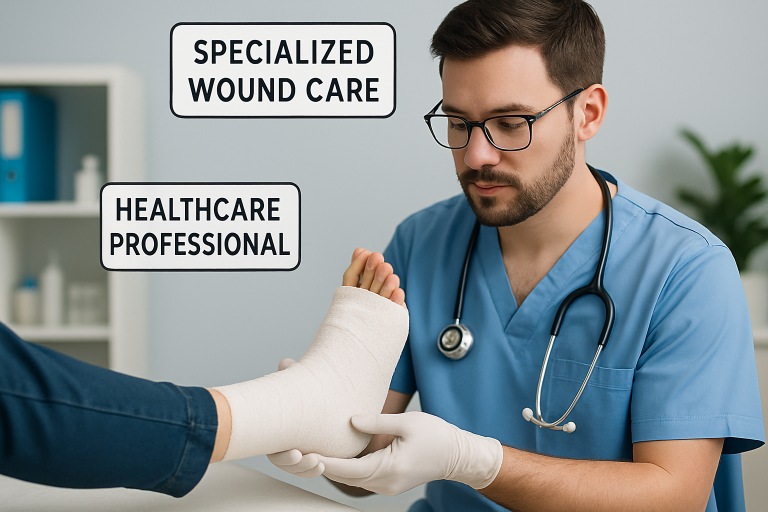
Specialized wound care extends beyond traditional bandaging and antiseptic routines, utilizing evidence-based strategies and expert assessments. This multidisciplinary process involves individualized evaluations, precise diagnosis, and dynamic treatment plans designed to address every facet of wound health. Crucial components of specialized wound care include:
- Advanced Dressings: Innovations such as hydrogels, foams, and antimicrobial dressings maintain optimal wound moisture, help prevent infection, and facilitate tissue regeneration.
- Negative-Pressure Wound Therapy (NPWT): Applied via specialized devices, negative pressure removes fluid and promotes blood flow, accelerating healing in complex or infected wounds.
- Off-loading Strategies: Through devices like total contact casts and custom footwear, pressure is shifted away from vulnerable tissues—vital for healing diabetic foot or pressure ulcers.
Innovations in Wound Care
The past decade has witnessed significant breakthroughs in wound care technology, setting new standards for patient outcomes. One such advancement is the smart bandage, equipped with miniaturized sensors that track temperature, moisture, and pH within the wound. This real-time data empowers clinicians to make timely, informed decisions, reducing the risk of infection and identifying signs of delayed healing more quickly. Additionally, bioengineered skin substitutes and growth factor-based therapies are expanding options for patients with extensive or non-healing wounds.
Global research efforts reinforce such technological progress. A recent overview from the journal Nature Electronics details how biosensor-embedded dressings and regenerative materials are at the forefront of transforming chronic wound management.
Benefits of Specialized Wound Care
The adoption of specialized wound care is associated with numerous patient and systemic benefits. By focusing on precise diagnosis, appropriate intervention, and ongoing monitoring, these programs yield:
- Accelerated Healing: Individualized therapies target the unique needs of each wound, shortening recovery timelines.
- Reduced Infection Risk: Advanced treatments minimize exposure to bacteria and other pathogens, thereby reducing the risk of infection.
- Pain Reduction and Enhanced Comfort: Optimized wound environments decrease inflammation and discomfort for the patient.
- Improved Mobility and Independence: With successful treatment, patients regain movement and quality of life sooner.
Challenges and Considerations
Notwithstanding these benefits, several challenges persist:
- Access to Specialty Care: Geographic location, particularly in rural or underserved areas, may limit access to specialized clinics and professionals.
- Economic Impact: Advanced therapies and frequent clinical visits can increase healthcare expenses, potentially burdening patients without comprehensive insurance.
- Patient Adherence: Long-term success depends on strict adherence to prescribed regimens, regular follow-up, and lifestyle modifications—areas in which patients may struggle due to personal or societal barriers.
Conclusion
Specialized wound care represents a pivotal shift in the approach to chronic wound management, combining clinical expertise and cutting-edge technologies to achieve faster and more reliable healing. As innovations evolve and access improves, more patients will benefit from advanced, compassionate care that emphasizes long-term health and quality of life. Continued research, education, and collaboration among clinicians are vital in overcoming current barriers and ensuring these services can reach all who need them.