How Open Adoption Is Shaping Modern Families
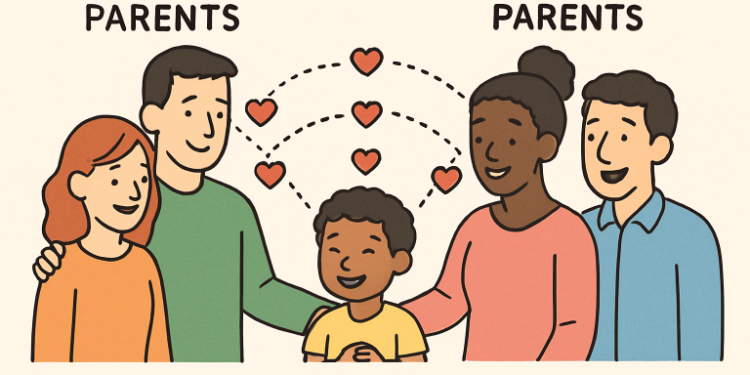
Open adoption marks a transformative shift in how families are formed and maintained, underscoring the importance of transparency and lifelong connection. Unlike traditional adoptions, which were often closed and shrouded in secrecy, open adoption facilitates ongoing contact and information sharing that can be beneficial for all parties—adoptive parents, birth families, and adoptees. As society increasingly embraces the importance of openness, it is essential to understand the impacts, challenges, and cultural shifts involved in this approach to domestic infant adoption and family building.
This evolution is not only enhancing access to medical and family histories but also fostering a sense of identity for adoptees. The move toward open relationships between birth and adoptive families encourages mutual respect and greater emotional well-being. Whether you are considering adoption or simply curious about how family structures are changing, open adoption presents a progressive model that prioritizes the rights and emotional health of everyone involved.
As our understanding of family deepens, open adoption is rapidly becoming the norm in the United States. These new family dynamics demand updated legal frameworks and ethical guidelines to address various challenging scenarios that may arise. Contemporary open adoptions offer unprecedented opportunities for communication—whether through in-person meetings, digital correspondence, or ongoing updates—and flexibility to tailor relationships to each family’s comfort levels.
Most importantly, open adoption instills trust from the very beginning, rather than leaving questions unresolved for years or even decades. Adoptees can now benefit in tangible ways by learning about their medical histories, building honest relationships, and establishing a foundation for lifelong connection and identity. As technology evolves, so do the mechanisms—such as online portals and genetic databases—by which families can remain connected.
Table of Contents
The Shift from Closed to Open Adoption
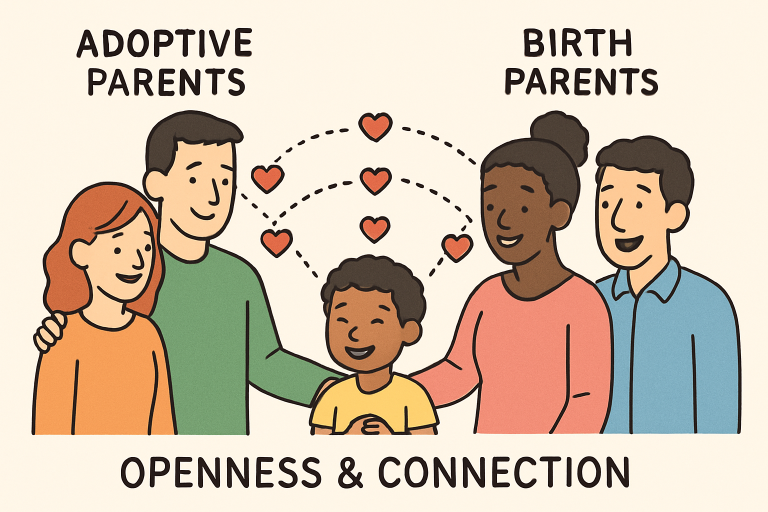
For much of the 20th century, most adoptions were carried out in secret, with records sealed to prevent any contact between the birth and adoptive families. This often resulted in difficulties for adoptees seeking critical medical information—and left birth parents wondering about their children’s welfare. Today, open adoption policies allow for a range of contact, from simple periodic updates to ongoing communication and visits, according to mutually agreed-upon boundaries.
This cultural shift is especially evident in the United States, where the majority of domestic adoptions now feature some level of openness. The recognition that knowing one’s heritage is vital to identity and medical reasons has fueled this transformation, providing adoptees and their families with an essential background previously inaccessible.
Benefits of Open Adoption
- Identity Formation: For many adoptees, knowledge of their ancestry and birth story empowers their sense of self, enabling healthy identity development.
- Access to Medical Histories: Understanding hereditary health risks enables proactive medical care—an advantage recognized by pediatricians and health organizations alike.
- Emotional Well-being: Open communication can help prevent feelings of abandonment or loss and foster connection for birth and adoptive families alike.
Numerous studies support the positive psychological effects of open adoption, with research highlighting greater satisfaction and fewer adjustment challenges among children who have access to their birth families. The Psychology Today adoption resource center further explores these findings, emphasizing the value of openness in adoption arrangements.
Technological Influences on Open Adoption
As families have grown more technologically connected, so too has open adoption. Social media, texting, video calls, and dedicated adoption platforms facilitate regular and meaningful communication—even when geographic distance would otherwise pose a barrier. In some cases, adoptees and birth relatives discover one another via ancestry services or social platforms, which have blurred the lines between traditional “closed” and “open” adoptions and led to emotional reunions previously thought impossible. Increasingly, agencies guide both sides in navigating digital boundaries and etiquette, underscoring the changing nature of modern family-building.
The New York Times has documented the profound impact of DNA testing and online searches on the adoption experience, showing how technology enables connections across generations and continents.
Legal and Ethical Considerations
The evolution of open adoption has driven important updates in both legal rights and ethical standards. Statutes now often emphasize full disclosure, non-coercive counseling, and careful screening to ensure that all parties enter into arrangements with a clear understanding and consent. Prospective adoptive parents are typically required to complete educational courses that help set expectations for open communication and establish strategies for healthy relationship-building.
These legal advances not only safeguard the interests of adoptive families and birth parents but also reflect society’s increasing commitment to ethical adoption practices and the best interests of the child. Agencies and attorneys are central to maintaining compliance, protecting participants’ rights, and resolving potential disputes as open adoption experiences evolve.
Preparing for Open Adoption Relationships
The success of an open adoption hinges on trust, communication, and a willingness to adapt. Adoptive families are encouraged to approach relationships with humility and respect, nurturing environments in which adoptees can ask questions and birth parents feel included appropriately. True openness is about more than formal agreements—it’s a lifelong journey of curiosity, empathy, and mutual support, as the National Council for Adoption emphasizes.
Educational programs, support groups, and family counseling are valuable resources for those navigating open adoption, helping all sides set healthy, flexible boundaries and foster genuine connection throughout the adoptee’s life.
Challenges and Considerations
- Boundary Setting: Establishing clear roles is crucial and must be revisited as children grow and family circumstances evolve.
- Emotional Complexity: Open adoption relationships can generate complicated feelings, making emotional support and transparency essential.
- Legal Nuances: Families need to seek legal guidance and adhere closely to state-specific regulations to protect everyone’s interests and maintain compliance.
Conclusion
Open adoption is redefining what it means to be family—bridging heritage and hope to forge deeper, more inclusive relationships. As openness becomes the modern standard, families are empowered with new tools and resources to navigate the complexities of adoption with empathy and wisdom. With careful guidance, ongoing support, and commitment to ethical practices, open adoption creates lasting benefits for children and families alike.