How Veterinarians Diagnose and Treat Feline UTIs
Table of Contents
Recognizing the Symptoms of Feline UTIs
Cats are masters at hiding discomfort, but urinary tract infections (UTIs) tend to present with distinctive signs that attentive owners can spot. Signs of a feline UTI include more frequent trips to the litter box, urinating in small amounts, and sometimes not making it to the box at all. If you notice your cat straining or crying while urinating, or if you spot blood tingeing the urine, these are red flags that shouldn’t be ignored. Thorough cleaning of the genital area is also a sign of irritation or pain.
Recognizing these indicators can be challenging, as the symptoms often overlap with other urinary conditions like bladder stones or feline idiopathic cystitis. For a complete breakdown of potential cat UTI symptoms and when to seek help, visit cat UTI symptoms. Timely veterinary attention is crucial because the condition can worsen quickly or signal more complex urological diseases.
If your cat displays any of these behaviors, prompt discussion with your vet is essential. In male cats in particular, urinary issues can rapidly turn into life-threatening emergencies if the urethra becomes blocked. Behavior changes such as hiding, lethargy, or loss of appetite, along with urinary symptoms, should be treated as urgent.
While some cats might recover quickly with care, others with recurring symptoms may benefit from additional assessments. Persistent or repeated UTIs could signal underlying health issues, such as diabetes or kidney disease. Understanding the difference between singular and chronic urinary tract issues is essential, according to guidance offered by the ASPCA. Realizing the need for immediate or recurrent attention can have a big impact on your cat’s health.
Diagnostic Procedures for Feline UTIs
Veterinarians take a systematic approach to diagnosing UTIs, distinguishing them from other urinary tract diseases. The typical steps in this process include urinalysis, urine culture, and, in some cases, advanced imaging.
1. Urinalysis
The first step in confirming a UTI is almost always urinalysis. A fresh urine sample—collected at the clinic or through a spot-clean at home—is analyzed for pH, specific gravity, and the presence of abnormal components like blood, protein, glucose, white and red cells, bacteria, or crystals. These findings inform the vet about the severity and underlying cause of the symptoms.
2. Urine Culture and Sensitivity
When signs of infection are present, the next step is often a urine culture. This process isolates the type of bacteria causing the issue and tests it against different antibiotics. Sensitivity testing ensures your cat receives the most effective, targeted medication, minimizing the danger of antibiotic resistance—a growing threat in both human and veterinary medicine.
3. Imaging Techniques
If the urinary tract infection is persistent or accompanied by unusual symptoms, imaging studies such as X-rays or ultrasounds may be recommended. These technologies allow veterinarians to check for structural abnormalities, bladder stones, growths, or even anatomical defects. Using imaging helps ensure that complicated or persistent cases receive the comprehensive care they need for resolution.
Treatment Strategies for Feline UTIs
Treating a feline urinary tract infection is a multifaceted process, tailored to their specific diagnosis and overall health status.
1. Antibiotic Therapy
Once a urinary tract infection has been confirmed via culture, your veterinarian will prescribe antibiotics appropriate for the specific bacteria found. It is critical for pet owners to administer the entire course of antibiotics, even if the cat appears to be feeling better, to prevent relapse and resistance. Avoiding premature discontinuation of meds is key to full recovery.
2. Pain Management
UTIs can cause significant pain and distress. Veterinarians often prescribe pain relief—typically a form of anti-inflammatory drug—to ease discomfort during recovery. Recognizing and managing pain helps cats recover faster and improves their quality of life through the healing period.
3. Supportive Care
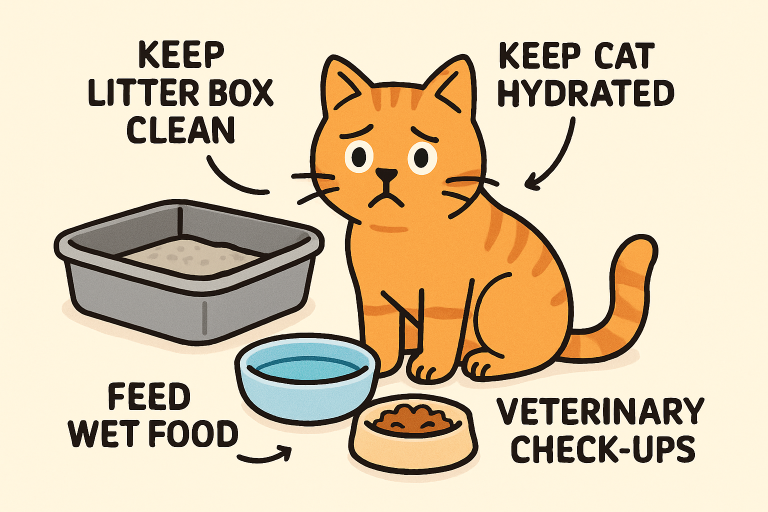
Encouraging hydration is one of the simplest and most effective supportive strategies during a UTI. Water not only helps flush bacteria from the bladder but also reduces the risk of recurrence. Adding wet food to your cat’s diet, providing multiple sources of fresh water, and using cat fountains are all recommended tactics. Keeping the litter box clean and minimizing environmental stressors—such as changes to household routine—further support a healthy urinary tract.
Preventive Measures to Reduce UTI Risk
Many feline urinary tract infections can be prevented through proactive care. Ensuring your cat drinks enough water each day is the cornerstone of prevention. Offer wet food in addition to dry kibble, keep water bowls fresh, and consider using pet fountains to stimulate curiosity and encourage drinking. Diet makes a difference; vet-recommended foods can help maintain proper urinary pH and reduce the risk of stone formation. Regular check-ups are essential for monitoring your cat’s overall and urinary health, while keeping litter boxes scrupulously clean and minimizing stress helps your pet avoid infections linked to environmental changes or anxiety.
Conclusion
Feline urinary tract infections are common but treatable conditions. Early recognition, accurate diagnosis, and proper treatment are all crucial for a full recovery. Proactive prevention through hydration, nutrition, and stress reduction makes a significant difference in minimizing recurrence. With informed care and attention, pet owners can protect their cats’ urinary health and overall well-being for years to come.